

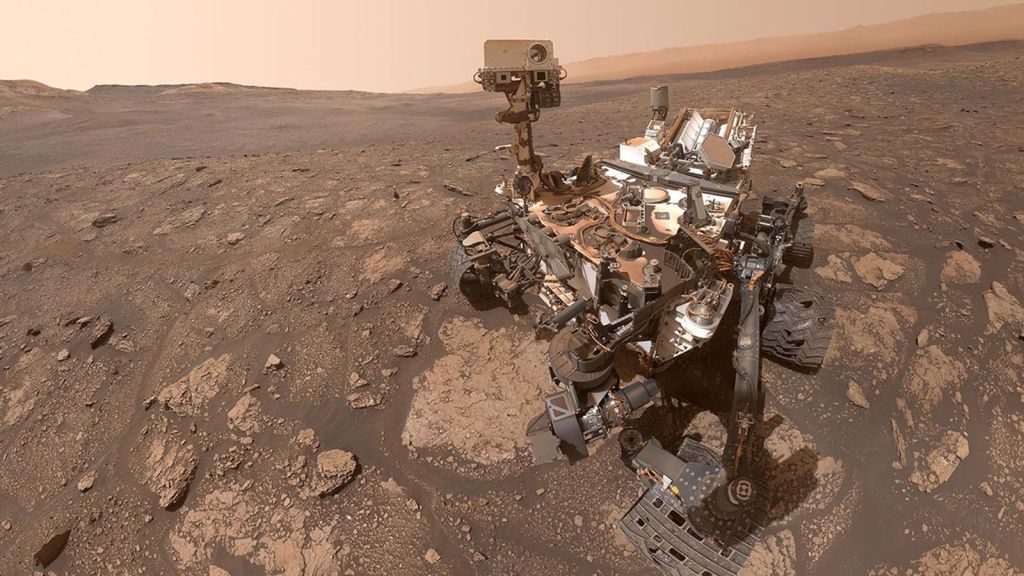
NASA’s Curiosity Mars rover has revealed the most chemically diverse collection of organic molecules ever identified on Mars, based on detailed analysis of a rock sample collected from Gale Crater in 2020. Scientists say the discovery provides new insight into the planet’s ancient environmental conditions and the potential for complex prebiotic chemistry billions of years ago.
The findings come from years of laboratory-style analysis performed by Curiosity’s onboard instruments after the rover drilled into a mudstone target nicknamed “Mary Anning 3” inside a clay-rich region of Gale Crater. Researchers identified a broad range of organic compounds preserved within the ancient sedimentary rock.
Organic Molecules Preserved in Ancient Martian Rocks
Organic molecules are carbon-based compounds considered essential building blocks for life as we know it. However, scientists emphasize that organic chemistry alone does not indicate biological activity. Such molecules can also form through non-biological geological and chemical processes.
The newly analyzed sample contained a wider diversity of organic compounds than any previously studied Martian sample. According to researchers, the clay-bearing rocks within Gale Crater likely helped preserve these fragile molecules from harsh Martian radiation and oxidation over immense geological timescales.
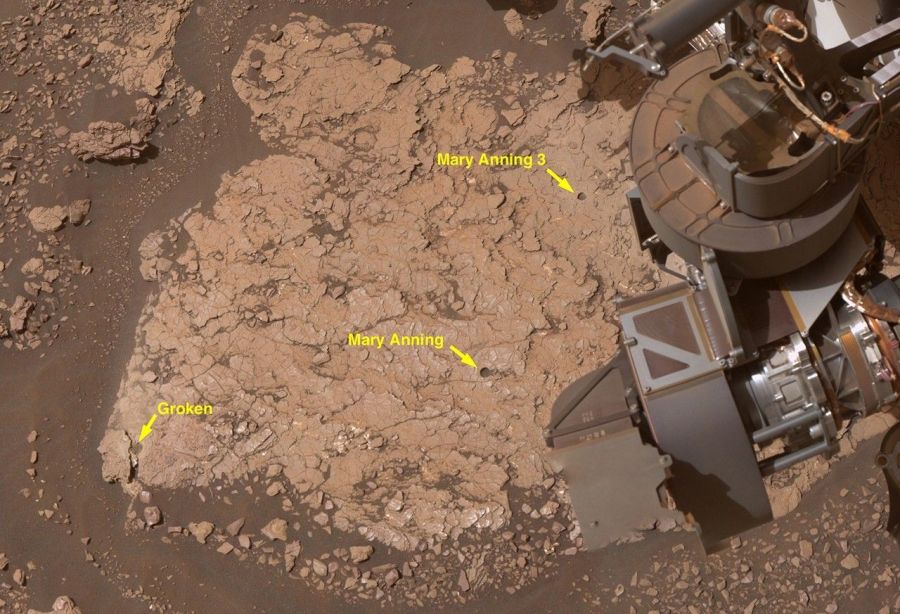
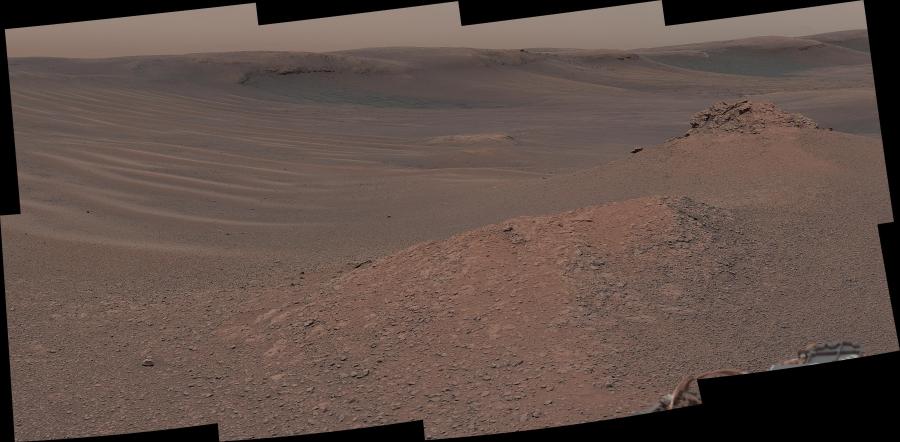
The “Mary Anning” region attracted scientific attention because orbital observations and earlier rover measurements indicated the presence of minerals formed in water-rich environments. Ancient mudstones in the area are believed to have originated from sediments deposited in a long-lived lake billions of years ago when Mars had a significantly wetter climate.
Curiosity’s Long-Term Search for Habitability
Since landing on Mars in 2012, Curiosity has explored Gale Crater to investigate whether the planet once possessed environmental conditions capable of supporting microbial life. Over the mission’s duration, the rover has identified evidence of ancient lakes, organic compounds, seasonal methane variations, and chemical ingredients considered important for habitability.
The latest findings expand that scientific picture by demonstrating that complex organic chemistry persisted within ancient Martian rocks. Researchers say this improves understanding of how organic molecules can survive on planetary surfaces exposed to cosmic radiation and harsh environmental conditions.
The rover performed the analysis using its Sample Analysis at Mars (SAM) instrument suite, which heats powdered rock samples to release gases that can then be chemically identified. Scientists continue refining analysis techniques to better distinguish between biological and non-biological origins of Martian organic chemistry.
What the Discovery Means for Future Mars Missions
Although the discovery does not provide evidence of past Martian life, it strengthens the scientific case that Mars once possessed environments favorable for complex chemistry associated with habitability. The preservation of organic compounds inside clay-rich rocks also helps guide future exploration strategies for both robotic and potential human missions.
NASA’s upcoming Mars Sample Return-related science efforts and future rover missions may further investigate similar ancient sedimentary environments to search for additional biosignatures and chemically preserved records of early Mars.
The findings also demonstrate the long-term scientific value of Curiosity’s ongoing mission more than a decade after its landing. As the rover continues climbing the layered foothills of Mount Sharp, scientists expect additional rock samples could reveal even more about the planet’s environmental history and chemical evolution.